


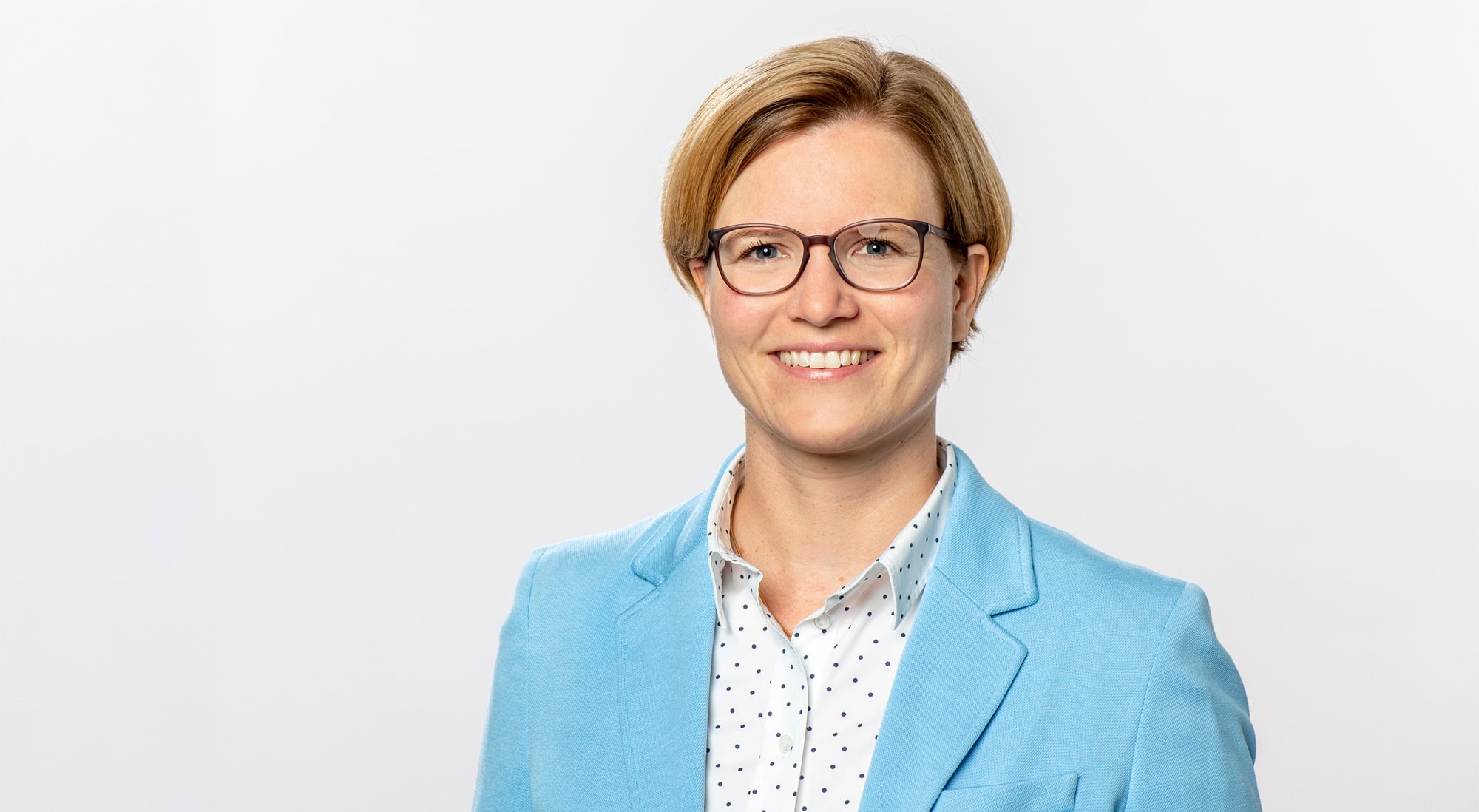
Wie sichern wir die Ernährung der Zukunft? Angesichts einer wachsenden Weltbevölkerung und knapper werdender Ressourcen zählt die nachhaltige Produktion gesunder, schmackhafter und sicherer Lebensmittel zu den größten Herausforderungen unserer Zeit. Das Leibniz-Institut für Lebensmittel-Systembiologie an der Technischen Universität München will hierfür neue wissenschaftliche Grundlagen schaffen – unter neuer Leitung: Seit dem 30. Mai 2025 steht Prof. Dr. Corinna Dawid an der wissenschaftlichen Spitze des Instituts.
Forschung für Gesundheit, Genuss und Nachhaltigkeit
Prof. Dr. Corinna Dawid ist eine international anerkannte Expertin auf dem Gebiet der Lebensmittelchemie und Funktionellen Phytometabolomik. Ihre Forschung zielt darauf ab, innovative Lösungen für die großen Herausforderungen der Lebensmittelsysteme zu entwickeln – wissenschaftlich fundiert, praxisnah und mit Blick auf die Gesellschaft von morgen.
„Wir müssen nicht nur mehr qualitativ hochwertige Lebensmittel nachhaltig produzieren, sondern auch besser verstehen und vorhersagen können, wie deren Inhaltsstoffsysteme wirken“, erklärt Prof. Dawid. Genau hier setzt die sogenannte Lebensmittel-Systembiologie des Leibniz-Instituts an: ein interdisziplinärer Forschungsansatz, der die komplexen Zusammenhänge zwischen Lebensmittelinhaltsstoffen, ihrer Verarbeitung, sensorischen Akzeptanz und ihrem Gesundheitswert untersucht.
Offizieller Wechsel an der Institutsspitze
Prof. Dawid folgt auf Prof. Dr. Veronika Somoza, die ihr Amt als wissenschaftliche Direktorin aufgrund einer Berufung an die Universität Wien mit dem 1. März 2025 niedergelegt hat. Die neue wissenschaftliche Leitung des Instituts ist mit einer Professur für Chemosensorische Lebensmittelsysteme an der Technischen Universität München (TUM) verbunden. Zugleich leitet Prof. Dawid an der TUM kommissarisch den Lehrstuhl für Lebensmittelchemie und Molekulare Sensorik.
Der wissenschaftliche Beirat sowie alle Mitarbeitenden des Leibniz-Instituts heißen Prof. Dawid herzlich willkommen und freuen sich sehr auf die künftige Zusammenarbeit.
Anerkennung aus der Wissenschaft
Auch auf höchster Ebene wird die Neubesetzung mit großer Zustimmung aufgenommen:
„Mit Prof. Dawid gewinnt das Leibniz-Institut für Lebensmittel-Systembiologie eine exzellente Wissenschaftlerin,“ betont Prof. Dr. Martina Brockmeier, Präsidentin der Leibniz-Gemeinschaft. „Corinna Dawid setzt wichtige Akzente für die Zukunft der Lebensmittelforschung. Sie ist sowohl innerhalb der TUM hervorragend vernetzt als auch mit zahlreichen Partnern in Wissenschaft und Wirtschaft. Mit ihrem Engagement fördert Prof. Dawid den Austausch innerhalb der Wissenschaft und mit der Gesellschaft.“
Prof. Dr. Thomas F. Hofmann, Präsident der TUM, ergänzt: „Mit Prof. Corinna Dawid übernimmt eine exzellente Wissenschaftlerin mit großer fachlicher Expertise und Weitblick die Leitung des Instituts. Ihre Karriere ist ein herausragendes Beispiel dafür, wie wissenschaftliche Exzellenz und strategische Themen wie Ernährungssicherheit, Nachhaltigkeit und Gesundheit miteinander verknüpft werden können. Sie ist ein großer Gewinn für die TUM und die gesamte Leibniz-Gemeinschaft.“
Systembiologische Forschung entlang der Wertschöpfungskette
Am Institut wird Prof. Dawid künftig insbesondere niedermolekulare, nicht-flüchtige Lebensmittelinhaltsstoffe entlang der gesamten Wertschöpfungskette „Agrar – Lebensmittel – Ernährung“ erforschen. Ihre Arbeitsgruppe nutzt dafür hochmoderne analytische Verfahren, um die molekularen Strukturen, Netzwerke und Systeme von geschmacksaktiven Inhaltsstoffen und deren Vorstufen zu erfassen und zu charakterisieren.
„Durch die enge interdisziplinäre Zusammenarbeit am Institut werden wir einen wichtigen Beitrag zum weltweit einzigartigen systembiologischen Forschungsansatz des Instituts leisten“, so Prof. Dawid weiter. „Er kombiniert exzellente chemisch-analytische und biomolekulare Lebensmittelforschung mit neuesten Methoden der In-silico-Biologie, um die physiologischen Wirkungen der komplexen Netzwerke sensorisch relevanter Lebensmittelinhaltsstoffe systemisch verständlich und langfristig vorhersagbar zu machen. Ziel ist es, die Entwicklung von Lebensmitteln zu unterstützen, die sowohl gut schmecken als auch einen gesundheitlichen Mehrwert bieten – und dabei nachhaltig produziert sind.“
Wissenschaftlicher Werdegang – international und interdisziplinär
Die 1982 geborene Lebensmittelchemikerin studierte an der Universität Münster und promovierte bei Prof. Thomas F. Hofmann, dem heutigen Präsidenten der TUM. Nach wissenschaftlichen Stationen in München und einem Forschungsaufenthalt in Bangkok, bei dem sie maßgeblich am Aufbau eines Instituts für Molekulare Sensorik mitwirkte, habilitierte sie sich mit metabolomischen Studien zur pflanzlichen Stressresistenz.
Seit 2019 leitet sie kommissarisch den Lehrstuhl für Lebensmittelchemie und Molekulare Sensorik an der TUM. Von 2023 bis Mai 2025 hatte sie die Professur für Funktionelle Phytometabolomik an der TUM inne. Sie ist stellvertretende Direktorin des ZIEL Institute for Food and Health sowie des Bayerischen Zentrums für Biomolekulare Massenspektrometrie (BayBioMS). Mit ihrer Gruppe bei TUM Create in Singapur erforscht sie im Projekt Proteins4Singapore gemeinsam mit anderen Forschungsgruppen der TUM und der Nanyang Technological University (NTU) alternative Proteinquellen für schmackhafte Lebensmittel der Zukunft.
Für ihre wissenschaftlichen Leistungen wurde Prof. Dawid mehrfach ausgezeichnet – unter anderem mit dem Wissenschaftspreis Weihenstephan der Stadt Freising (2019) und dem Förderpreis der Deutschen Gesellschaft für Qualitätsforschung pflanzlicher Nahrungsmittel (2013).
Pressekontakt:
Dr. Gisela Olias
Leibniz-Institut für Lebensmittel-Systembiologie an der Technischen Universität München
Wissenstransfer, Presse- und Öffentlichkeitsarbeit
Lise-Meitner-Str. 34, 85354 Freising
Tel.: +49 8161 71 2980
E-Mail: g.olias.leibniz-lsb@tum.de
www.leibniz-lsb.de
Informationen zum Institut:
Das Leibniz-Institut für Lebensmittel-Systembiologie an der Technischen Universität München besitzt ein einzigartiges Forschungsprofil an der Schnittstelle zwischen Lebensmittelchemie & Biologie, Chemosensoren & Technologie sowie Bioinformatik & Maschinellem Lernen. Weit über die bisherige Kerndisziplin der klassischen Lebensmittelchemie hinausgewachsen, leitet das Institut die Entwicklung einer Systembiologie der Lebensmittel ein. Sein Ziel ist es, neue Ansätze für die nachhaltige Produktion ausreichender Mengen an Lebensmitteln zu entwickeln, deren Inhaltsstoff- und Funktionsprofile an den gesundheitlichen und nutritiven Bedürfnissen, aber auch den Präferenzen der Verbraucherinnen und Verbraucher ausgerichtet sind. Hierzu erforscht es die komplexen Netzwerke sensorisch relevanter Lebensmittelinhaltsstoffe entlang der gesamten Wertschöpfungskette mit dem Fokus, deren physiologische Wirkungen systemisch verständlich und langfristig vorhersagbar zu machen.
Mitglied der Leibniz-Gemeinschaft
Das Leibniz-Institut ist ein Mitglied der Leibniz-Gemeinschaft, die 96 selbständige Forschungseinrichtungen verbindet. Leibniz-Institute widmen sich gesellschaftlich, ökonomisch und ökologisch relevanten Fragen. Sie betreiben erkenntnis- und anwendungsorientierte Forschung, auch in den übergreifenden Leibniz-Forschungsverbünden, sind oder unterhalten wissenschaftliche Infrastrukturen und bieten forschungsbasierte Dienstleistungen an. Die Leibniz-Gemeinschaft setzt Schwerpunkte im Wissenstransfer, vor allem mit den Leibniz-Forschungsmuseen. Sie berät und informiert Politik, Wissenschaft, Wirtschaft und Öffentlichkeit.
Leibniz-Einrichtungen pflegen enge Kooperationen mit den Hochschulen – in Form der Leibniz-WissenschaftsCampi, mit der Industrie und anderen Partnern im In- und Ausland. Die Leibniz-Institute unterliegen einem transparenten und unabhängigen Begutachtungsverfahren. Aufgrund ihrer gesamtstaatlichen Bedeutung fördern Bund und Länder die Institute der Leibniz-Gemeinschaft gemeinsam. Die Leibniz-Institute beschäftigen rund 21.300 Personen, darunter 12.200 Wissenschaftlerinnen und Wissenschaftler. Das Finanzvolumen liegt bei 2,2 Milliarden Euro.
How can we ensure a nutritious future? With a growing world population and dwindling resources, sustainably producing healthy, tasty, and safe food is one of the greatest challenges of our time. The Leibniz Institute for Food Systems Biology at the Technical University of Munich aims to lay new scientific groundwork for this challenge under the direction of Prof. Dr. Corinna Dawid. She has led the Institute since May 30, 2025.
Research for health, delicious food, and sustainability
Prof. Dr. Corinna Dawid is an internationally recognized expert in the field of food chemistry and functional phytometabolomics. Her research aims to develop innovative solutions to the major challenges facing food systems—solutions that are science-based, practical, and geared toward the society of tomorrow.
“We not only need to produce more high-quality food sustainably, but also better understand and predict how its systems of sensory-active food constituents work,” explains Prof. Dawid. This is precisely where the Leibniz Institute’s food systems biology comes in: an interdisciplinary research approach that investigates the complex relationships between food constituents, their processing, sensory acceptance, and health value.
Official change at the top of the Institute
Prof. Dawid is succeeding Prof. Dr. Veronika Somoza as scientific director. Professor Somoza resigned from her position due to an appointment at the University of Vienna, effective March 1, 2025. Prof. Dawid, the Institute’s new scientific director, holds a professorship in Chemosensory Food Systems at the Technical University of Munich (TUM). She is also currently heading the Chair of Food Chemistry and Molecular Sensory Science at TUM on an interim basis.
The Scientific Advisory Board and all employees of the Leibniz Institute warmly welcome Prof. Dawid and look forward to working with her in the future.
Recognition from the scientific community
The new appointment has also been warmly welcomed at the highest level:
“With Prof. Dawid, the Leibniz Institute for Food Systems Biology is gaining an excellent scientist,” states Prof. Dr. Martina Brockmeier, President of the Leibniz Association. “Corinna Dawid is making key contributions to the future of food research. She is extremely well connected both within TUM and with numerous partners in academia and industry. With her commitment, Prof. Dawid actively fosters exchange within the scientific community and with society.”
Prof. Dr. Thomas F. Hofmann, President of TUM, adds:”With Prof. Corinna Dawid, an excellent scientist with great professional expertise and vision is taking over the leadership of the Institute. Her career is an outstanding example of how scientific excellence and strategic issues such as food safety, sustainability, and health can be linked. She is a great asset to TUM and the entire Leibniz Association.”
Systems biology research along the value chain
At the Institute, Prof. Dawid will focus on researching low-molecular, non-volatile food constituents along the entire value chain from agriculture to food to nutrition. Her research group uses state-of-the-art analytical methods to identify and characterize the molecular structures, networks, and systems of taste-active food constituents and their precursors.
“Through close interdisciplinary collaboration at the Institute, we will make an important contribution to the Institute’s globally unique systems biology approach,” Prof. Dawid continues. “It combines excellent chemical-analytical and biomolecular food research with the latest methods of in silico biology to make the physiological effects of complex networks of sensory-relevant food compounds systematically understandable and predictable in the long term. The aim is to support the development of foods that both taste good and offer added health benefits—and are produced sustainably.”
Scientific background—international and interdisciplinary
Born in 1982, the food chemist studied at the University of Münster and earned her doctorate under Prof. Thomas F. Hofmann, now president of TUM. After scientific positions in Munich and a research stay in Bangkok, where she played a key role in establishing an institute for molecular sensor technology, she habilitated with metabolomic studies on plant stress resistance.
Since 2019, she has been the acting head of the Chair of Food Chemistry and Molecular Sensory Science at TUM. From 2023 to May 2025, she held the professorship for Functional Phytometabolomics at TUM. She is deputy director of the ZIEL Institute for Food and Health and the Bavarian Center for Biomolecular Mass Spectrometry (BayBioMS). With her group at TUM Create in Singapore, she is collaborating with other research groups at TUM and the Nanyang Technological University (NTU) on the Proteins4Singapore project to research alternative protein sources for tasty foods of the future.
Prof. Dawid has received numerous awards for her scientific achievements, including the Weihenstephan Science Award from the City of Freising (2019) and the Advancement Award from the German Society for Quality Research in Plant-Based Foods (2013).
Press contact at Leibniz Institute:
Dr. Gisela Olias
Leibniz Institute for Food Systems Biology
at the Technical University of Munich
Knowledge Transfer, Press and Public Relations
Lise-Meitner-Str. 34
85354 Freising, Germany
Tel.: +49 8161 71-2980
Email: g.olias.leibniz-lsb(at)tum.de
Information about the Institute:
The Leibniz Institute for Food Systems Biology at the Technical University of Munich (Leibniz-LSB@TUM) comprises a new, unique research profile at the interface of Food Chemistry & Biology, Chemosensors & Technology, and Bioinformatics & Machine Learning. As this profile has grown far beyond the previous core discipline of classical food chemistry, the institute spearheads the development of a food systems biology. Its aim is to develop new approaches for the sustainable production of sufficient quantities of food whose biologically active effector molecule profiles are geared to health and nutritional needs, but also to the sensory preferences of consumers. To do so, the institute explores the complex networks of sensorically relevant effector molecules along the entire food production chain with a focus on making their effects systemically understandable and predictable in the long term.
A Member of the Leibniz Associatation
The Leibniz-LSB@TUM is a member of the Leibniz Association, which connects 96 independent research institutions. Their orientation ranges from the natural sciences, engineering and environmental sciences through economics, spatial and social sciences to the humanities. Leibniz Institutes address issues of social, economic and ecological relevance.They conduct basic and applied research, including in the interdisciplinary Leibniz Research Alliances, maintain scientific infrastructure, and provide research-based services. The Leibniz Association identifies focus areas for knowledge transfer, particularly with the Leibniz research museums. It advises and informs policymakers, science, industry and the general public.
Leibniz institutions collaborate intensively with universities – including in the form of Leibniz ScienceCampi – as well as with industry and other partners at home and abroad. They are subject to a transparent, independent evaluation procedure. Because of their importance for the country as a whole, the Leibniz Association Institutes are funded jointly by Germany’s central and regional governments. The Leibniz Institutes employ around 21,300 people, including 12,200 researchers. The financial volume amounts to 2,2 billion euros.