


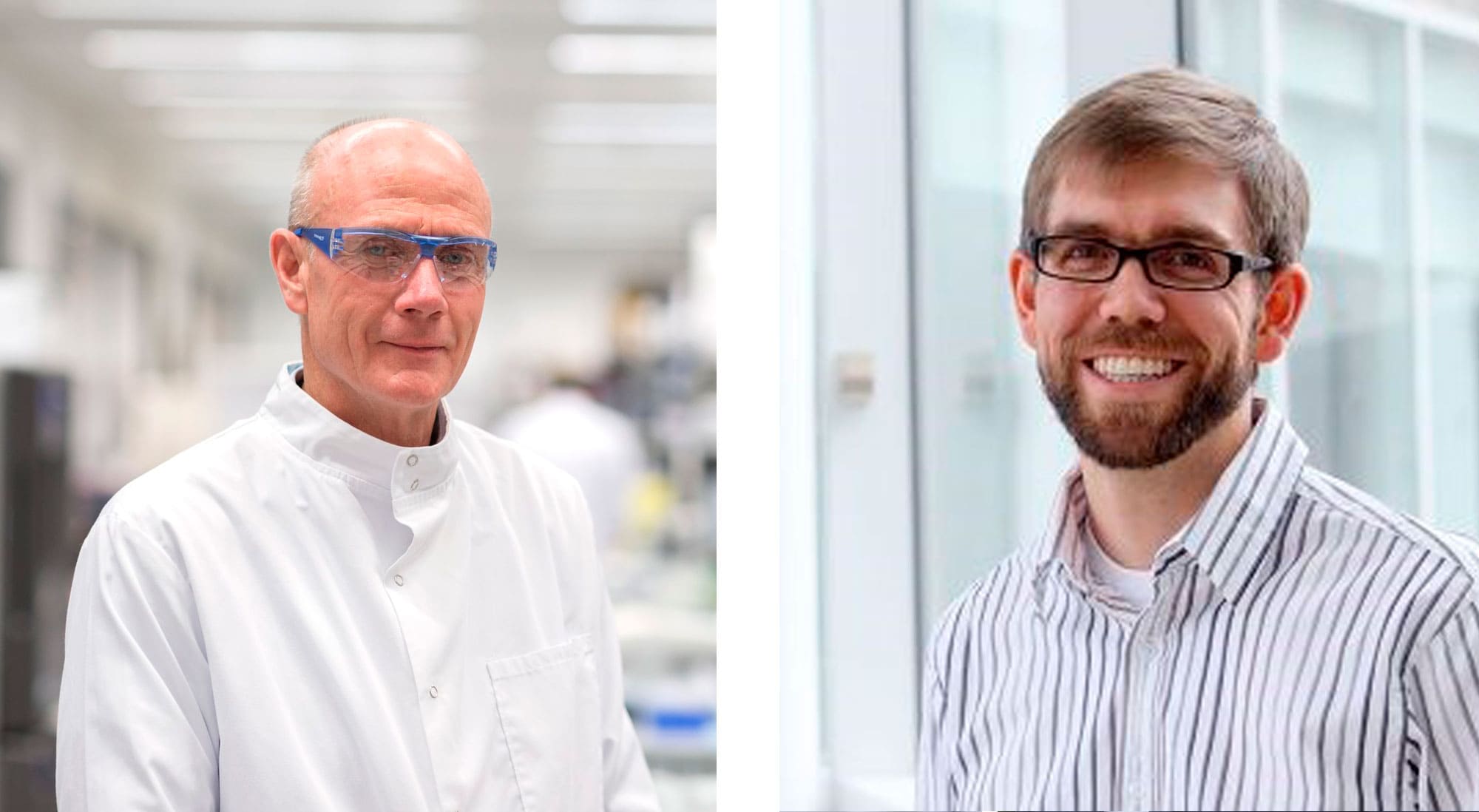
Insempra, ein biologisch orientiertes Unternehmen, das es Unternehmen ermöglicht, in Partnerschaft mit der Natur überlegene Produkte herzustellen, gab im Oktober die Berufung von Professor Michael Jewett und Professor Paul Freemont in seinen wissenschaftlichen Beirat (SAB) bekannt. Der SAB setzt sich aus weltweit anerkannten Akademikern zusammen, die die Forschungs- und Entwicklungsarbeit des Unternehmens wissenschaftlich überprüfen und auf höchster Ebene beraten, um die Entwicklung von an sich nachhaltigen Inhaltsstoffen in großem Maßstab voranzutreiben.
Das SAB arbeitet eng mit dem Führungsteam von Insempra zusammen, während das Unternehmen seine Plattformen für Ernährung, Schönheit und Fasern weiterentwickelt, um die Entdeckung, das Design und die Entwicklung von multifunktionalen, überlegenen Inhaltsstoffen für eine breite Marktanwendung zu beschleunigen. Jens Klein, CEO von Insempra, kommentierte: „Wir fühlen uns geehrt, dass diese anerkannten wissenschaftlichen Führungskräfte dem wissenschaftlichen Beirat von Insempra beitreten. Diese Persönlichkeiten haben bedeutende Beiträge geleistet und Pionierarbeit auf dem Gebiet der Biotechnologie geleistet, und gemeinsam bringen sie eine Fülle von Wissen und Erfahrung in Insempra ein, während wir an der Entwicklung unserer überlegenen Produktplattformen für Inhaltsstoffe arbeiten. Wir freuen uns darauf, das Wissen und die Erfahrung dieser herausragenden Persönlichkeiten zu nutzen, während wir unsere Plattformtechnologie im Bereich der Präzisionsfermentation und des zellfreien Bio-Engineerings sowie unsere laufenden Forschungs- und Entwicklungsbemühungen in einer Reihe von groß angelegten Marktanwendungen vorantreiben.“
Professor Michael Jewett ist Professor für Chemie- und Bioingenieurwesen und Direktor des Zentrums für Synthetische Biologie an der Northwestern University.
Das Labor von Professor Jewett konzentriert sich auf die Förderung der Forschung im Bereich der synthetischen Biologie zur Unterstützung der Gesundheit des Planeten und der Gesellschaft. Er wurde u. a. mit dem NIH Pathway to Independence Award, dem David and Lucile Packard Fellowship in Science and Engineering, dem Camille-Dreyfus Teacher-Scholar Award und als Finalist für den Blavatnik National Awards for Young Scientists ausgezeichnet. Er ist Mitbegründer von SwiftScale Biologics, Stemloop, Inc., Pearl Bio und Design Pharmaceuticals. Professor Jewett ist Fellow von AIMBE, AAAS und NAI.
Professor Paul Freemont ist Mitbegründer des Imperial College Centre for Synthetic Biology und Mitbegründer und Co-Direktor des National UK Innovation and Knowledge Centre for Synthetic Biology am Imperial College London.
Ziel des Zentrums ist es, die Forschung im Bereich der synthetischen Biologie in Anwendungsbereichen wie Biosensoren, Biosynthese, Bioprozesse sowie Stoffwechsel- und Genom-Engineering zu fördern und die Umsetzung neuer Technologien der synthetischen Biologie in Start-ups, KMU und Industrie zu ermöglichen. Die Forschungsinteressen von Professor Freemont konzentrieren sich auf die Entwicklung von Grundwerkzeugen der synthetischen Biologie, Automatisierung und Biofoundries für spezifische Anwendungen wie Biosensorik und Metabolic Engineering. Er ist Autor von über 300 wissenschaftlichen Veröffentlichungen und gewähltes Mitglied der Europäischen Organisation für Molekularbiologie sowie Fellow der Royal Societies of Biology, Chemistry and Medicine und Honorary Fellow des Royal College of Art.
Insempra, a biology-powered company enabling businesses to make superior products in partnership with nature, today announces the appointment of Professor Michael Jewett and Professor Paul Freemont to its scientific advisory board (SAB). The SAB is comprised of world-renowned academics to provide scientific review and high-level counsel on the Company’s R&D to advance its development of intrinsically sustainable ingredients at scale. The SAB works closely with Insempra’s leadership team as the Company advances its nutrition, beauty and fibers platforms to accelerate the discovery, design and development of multi-functional superior ingredients for wide-scale market application.
Klein, CEO of Insempra, commented: “We are honored to have these accomplished scientific leaders join Insempra’s Scientific Advisory Board. These individuals have made significant contributions and pioneered breakthroughs in biological engineering and, together, they bring a wealth of knowledge and experience to Insempra, as we work to develop our superior ingredient product platforms. We look forward to harnessing the knowledge and experience of these outstanding individuals as we advance our platform technology in precision fermentation and cell-free bioengineering and our ongoing research and development efforts in a number of large-scale market applications.”
Professor Michael Jewett is a Professor of Chemical and Biological Engineering, and Director of the Center for Synthetic Biology at Northwestern University.
Professor Jewett’s lab focuses on advancing synthetic biology research in support of planet and societal health. He is the recipient of the NIH Pathway to Independence Award, David and Lucile Packard Fellowship in Science and Engineering, Camille-Dreyfus Teacher-Scholar Award, and a Finalist for the Blavatnik National Awards for Young Scientists, among others. He is the co-founder of SwiftScale Biologics, Stemloop, Inc., Pearl Bio, and Design Pharmaceuticals. Professor Jewett is a Fellow of AIMBE, AAAS, and NAI.
Professor Paul Freemont is Co-founder of the Imperial College Centre for Synthetic Biology and Co-founder/Co-director of the National UK Innovation and Knowledge Centre for Synthetic Biology at Imperial College London.
The Centre aims to enable synthetic biology research in application areas like biosensors, biosynthesis, bioprocessing and metabolic and genome engineering and enable the translation of new synthetic biology technologies into start-ups, SMEs and industry. Professor Freemont’s research interests are focused on developing synthetic biology foundational tools, automation and biofoundries for specific applications including biosensing and metabolic engineering. He is author of over 300 scientific publications and is an elected member of the European Molecular Biology Organisation and also a Fellow of the Royal Societies of Biology, Chemistry and Medicine and is an Honorary Fellow of the Royal College of Art.