


Eisbach Bio exploits the innovative therapeutic concept of synthetic lethality in tumor cells and develops small molecule inhibitors for the personalized therapy of cancer
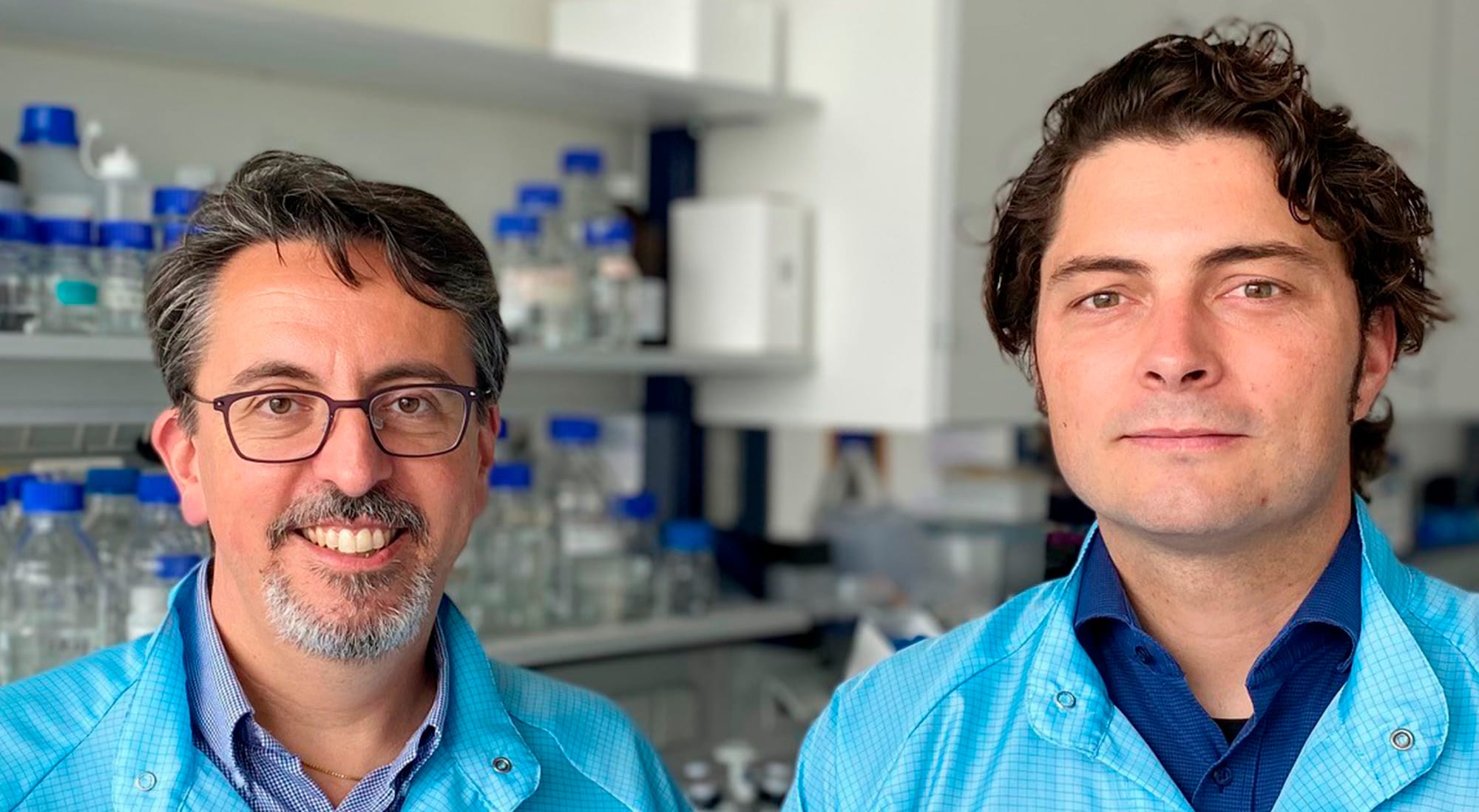
The Biotech Start-up is a LMU spin off established in January 2019 on the Großhadern-Martinsried campus. Eisbach exploits the innovative therapeutic concept of synthetic lethality in tumor cells and develops small molecule inhibitors for the personalized therapy of cancer in genetically defined patient groups, including for indications with no therapeutic options. Cancer genomics has revealed tumor-specific genes that cancer cells critically depend on for survival. By targeting these molecular vulnerabilities, Eisbach’s inhibitors hit the Achilles heel of tumors, effectively eliminating cancer cells with minimal side effects, while healthy cells remain largely unharmed. Eisbach has developed a proprietary screening and development platform that specifically identifies allosteric inhibitors of these tumor-essential molecular machines, generating efficacious drugs with limited toxicity.
14 future clusters in total are Germany’s innovation networks of the future
The German federal Clusters4Future initiative seeks to bring innovations to market. To ensure that Germany remains in the top group of innovation leaders, the BMBF launched an ambitious program to establish several regional R&D clusters that catalyze the existing research cooperation between leading academic institutions and industry.
The fourteen future clusters in total are Germany’s innovation networks of the future. Their aim is to find suitable solutions for the major challenges of our time. The topics are as diverse as the winners’ concepts: neuromorphic hardware for autonomous systems, personalized cell and gene therapy processes, sustainable marine research, quantum technology, new approaches to drug discovery and development, as well as hydrogen fuel technologies. To this end, universities, research institutions, companies, social and other relevant players in the regions have joined forces, sharing exclusive knowledge with each other and pooling their expertise into joint R&D activities.
Eisbach Bio exploits the innovative therapeutic concept of synthetic lethality in tumor cells and develops small molecule inhibitors for the personalized therapy of cancer
The Biotech Start-up is a LMU spin off established in January 2019 on the Großhadern-Martinsried campus. Eisbach exploits the innovative therapeutic concept of synthetic lethality in tumor cells and develops small molecule inhibitors for the personalized therapy of cancer in genetically defined patient groups, including for indications with no therapeutic options. Cancer genomics has revealed tumor-specific genes that cancer cells critically depend on for survival. By targeting these molecular vulnerabilities, Eisbach’s inhibitors hit the Achilles heel of tumors, effectively eliminating cancer cells with minimal side effects, while healthy cells remain largely unharmed. Eisbach has developed a proprietary screening and development platform that specifically identifies allosteric inhibitors of these tumor-essential molecular machines, generating efficacious drugs with limited toxicity.
14 future clusters in total are Germany’s innovation networks of the future
The German federal Clusters4Future initiative seeks to bring innovations to market. To ensure that Germany remains in the top group of innovation leaders, the BMBF launched an ambitious program to establish several regional R&D clusters that catalyze the existing research cooperation between leading academic institutions and industry.
The fourteen future clusters in total are Germany’s innovation networks of the future. Their aim is to find suitable solutions for the major challenges of our time. The topics are as diverse as the winners’ concepts: neuromorphic hardware for autonomous systems, personalized cell and gene therapy processes, sustainable marine research, quantum technology, new approaches to drug discovery and development, as well as hydrogen fuel technologies. To this end, universities, research institutions, companies, social and other relevant players in the regions have joined forces, sharing exclusive knowledge with each other and pooling their expertise into joint R&D activities.