





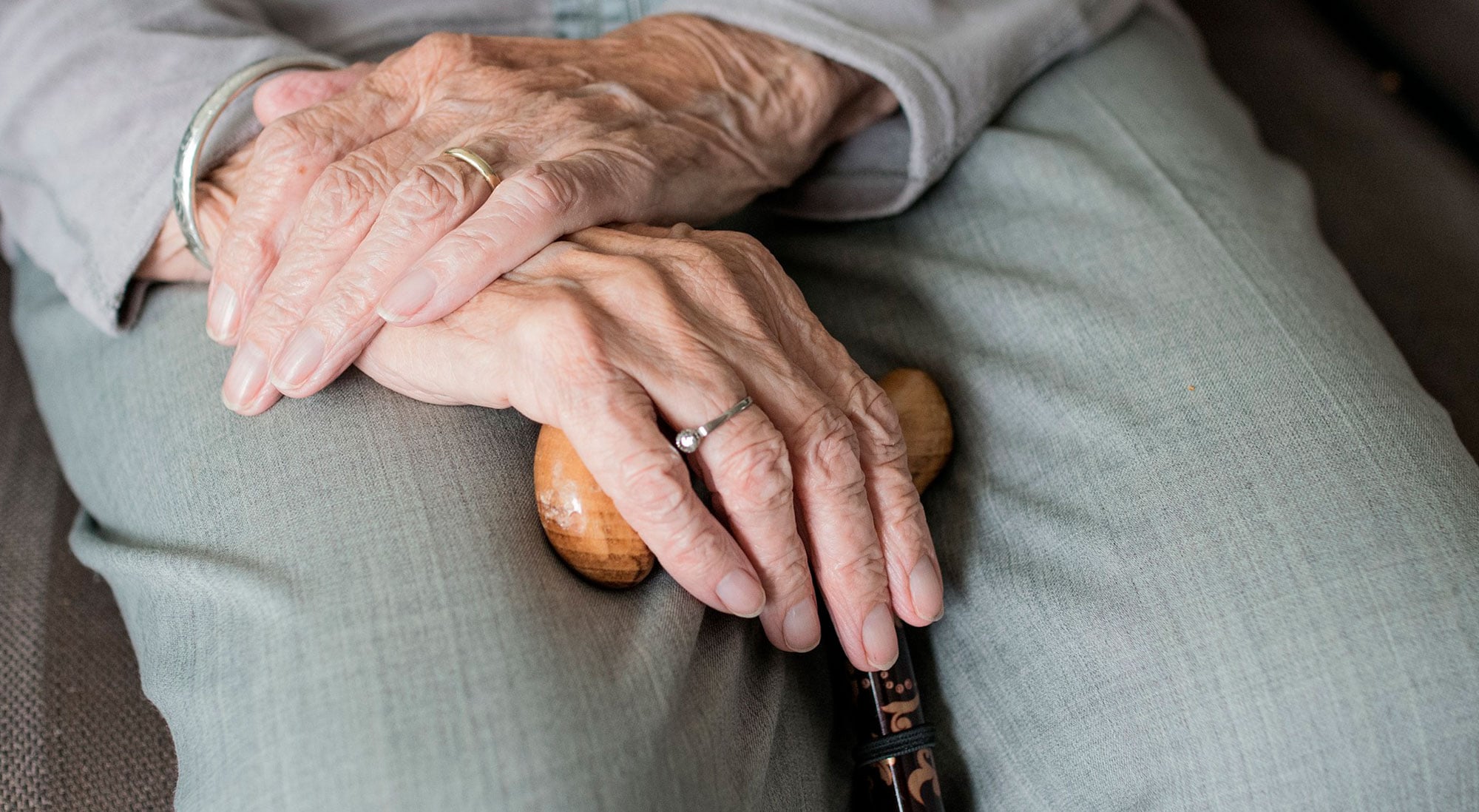
Osteoporosis is a bone disease that affects a good five million women and a good one million men in Germany alone – most of them at an advanced age. In the course of the disease, bone mass dwindles and the strength of the bones decreases. The result is a higher risk of painful – and in old age, dangerous – bone fractures, even under the slightest stresses that cannot harm a healthy bone.
Bone is an amazingly dynamic tissue. It is constantly dismantling and rebuilding itself. To do this, its metabolism harnesses certain cells: The osteoclasts act as the wrecking ball, the osteoblasts as the builders who create new things. In a healthy metabolism, both processes are in balance, controlled by a fine network of signal molecules that are produced according to the building instructions of certain genes. The activity of these genes is ultimately also controlled by so-called microRNAs (miRNAs).
The disturbed bone metabolism of osteoporosis patients, for example, is treated with drugs that are intended to stimulate the anabolic processes. The team first injected these drugs into healthy mice, whereupon around 20 microRNAs were suppressed in their bones. “Of these, we identified microRNAs 19a and 19b as particularly promising,” say Professor Taipaleenmäki and Professor Hesse. In the bones of patients with decreased bone mass and mice with impaired bone metabolism, these two microRNAs are overactive. “This suggests that they can throw bone metabolism out of balance,” the scientists explain.
New therapeutic approach still to be tested in clinical trials
The team then produced two so-called anti-sense miRNA molecules that bind precisely to microRNAs 19a and 19b, thereby switching off their function. Injected into mice with osteoporosis, this novel therapy activates osteoblasts. But in particular, it inhibits overactive osteoclasts. “That’s when we saw that the disease-induced bone mass loss can be reversed,” the scientists explain further, “We’re effectively reversing the disease process.”
To further develop the new approach for treating patients with impaired bone metabolism, both scientists have founded a start-up, Sirana Pharma in Martinsried. The technology is already patented. If all goes well, the new therapy could be tested on humans in a few years.

Marchioninistraße 15
81377 München
Deutschland
claudia.berg@med.uni-muenchen.dewww.klinikum.uni-muenchen.de